How to Prevent Sewage Backup During Heavy Rain in Boston
Discover effective strategies to prevent sewage backup during heavy rain in Boston and protect your home from costly damage.
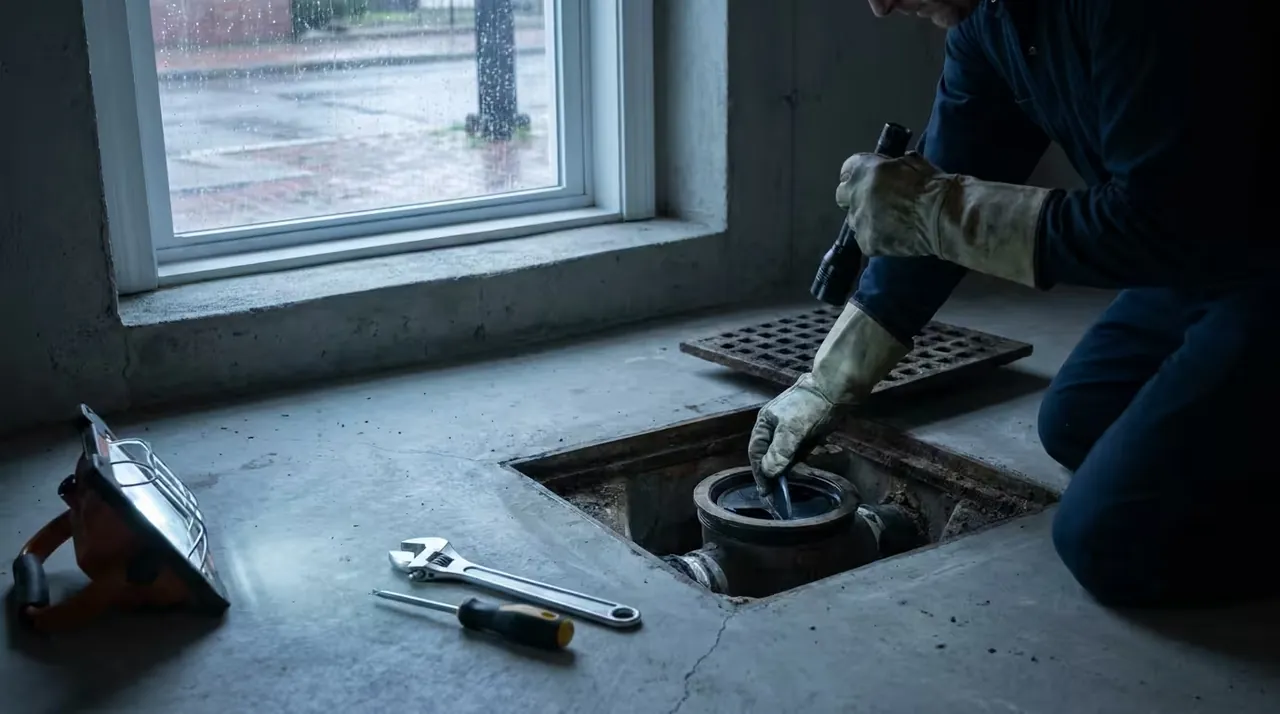
Preventing sewage backup during heavy rain in Boston requires proactive measures and regular maintenance. Homeowners can take specific steps to protect their properties from this costly issue.
This article outlines the common causes of sewage backups, effective prevention strategies, and when to seek professional help.
What Causes Sewage Backup During Heavy Rain?
Sewage backup occurs when the wastewater cannot flow through the sewer system, often due to blockages or overloading. During heavy rain, the increased volume of water can overwhelm the local sewer infrastructure, leading to backups in residential properties.
How to Prevent Sewage Backup in Boston
To prevent sewage backup in Boston, homeowners should focus on maintaining their sewer lines and addressing potential issues before they escalate. Regular inspections and timely repairs can significantly reduce the risk of backups.
Regular Sewer Line Maintenance
Conducting routine maintenance on your sewer line is crucial. Schedule a sewer camera inspection to identify any blockages or damage in your sewer system.
Install a Backwater Valve
A backwater valve can be installed on the sewer line to prevent sewage from flowing back into your home. This is especially important in areas prone to flooding, as it acts as a barrier during heavy rain.
Keep Drains Clear
Ensure that all drains in your home are free from debris. Regularly clean sink traps and shower drains to prevent clogs that can lead to backups.
Maintain Your Sump Pump
If your home has a sump pump, ensure it is functioning correctly. A reliable sump pump can help redirect excess water away from your foundation, reducing the risk of sewage backup.
Sewage Backup Prevention Tips for Homeowners
Implementing these sewage backup prevention tips can save you from the headaches and costs associated with sewage issues:
- Regularly inspect and clean your gutters and downspouts to ensure proper drainage.
- Avoid flushing non-biodegradable items down the toilet.
- Consider landscaping changes to direct water away from your home's foundation.
- Be aware of your neighborhood's drainage system and its capacity during heavy rainfall.
Common Mistakes to Avoid
Many homeowners unintentionally contribute to sewage backup issues. Here are common mistakes to watch out for:
- Neglecting regular maintenance and inspections of sewer lines.
- Ignoring warning signs such as slow drains or foul odors.
- Failing to address tree roots that may invade sewer lines.
When to Call a Professional
If you experience frequent sewage backups or notice significant changes in your plumbing system, it may be time to contact a professional. Local Plumber Boston offers emergency plumbing services to address urgent sewage issues effectively.
Frequently Asked Questions
How can I prevent sewage backup in Boston? Regular maintenance, installing backwater valves, and keeping drains clear are effective methods to prevent sewage backup.
What are the signs of potential sewage backup in Boston? Signs include slow drains, gurgling sounds, and foul odors emanating from your plumbing fixtures.
When should I contact a plumber for sewage issues in Boston? Contact a plumber if you notice frequent backups, slow drainage, or any unusual plumbing sounds.
What should I do to prevent sewage backup in my home in Boston? Regularly inspect your sewer line, maintain your sump pump, and avoid flushing inappropriate items down the toilet.