Sump Pump Installation in Boston: What Homeowners Should Know
Learn everything you need to know about sump pump installation in Boston, including costs, maintenance, and choosing the right pump for your home.
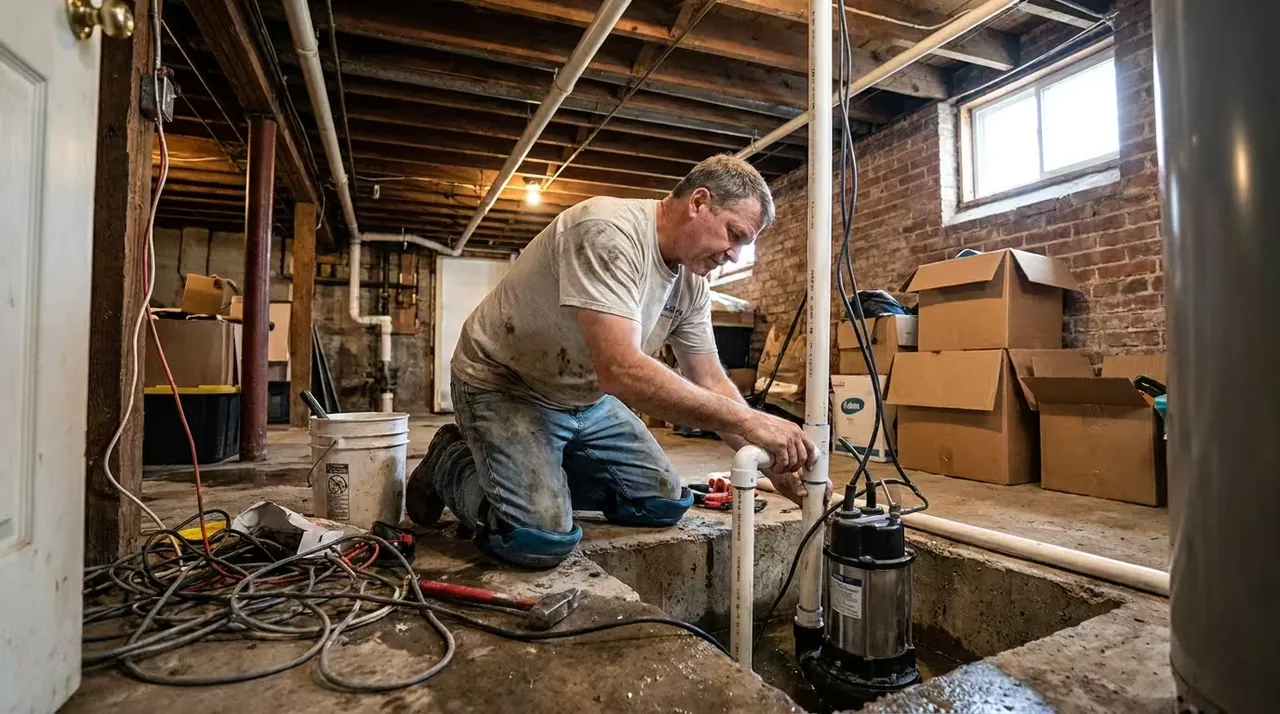
Sump pump installation in Boston is essential for homeowners looking to prevent water damage in their basements. This guide provides crucial insights into the installation process, maintenance tips, and common issues faced by Boston residents.
A sump pump installation is a critical plumbing service that helps manage groundwater and prevent flooding in basements. With Boston's unique climate, understanding the importance of this installation can save homeowners from significant water damage.
Why Should You Consider Sump Pump Installation in Boston?
Homeowners in Boston should consider sump pump installation to protect against flooding, especially during heavy rains or snowmelt. The risk of water accumulation in basements is heightened in older neighborhoods with inadequate drainage systems.
How to Install a Sump Pump in Boston
Installing a sump pump involves several key steps. First, you need to choose the right location for the sump pit, ideally in the lowest part of your basement.
- Excavate a hole for the sump pit, typically 2 feet deep and 18 inches wide.
- Install the sump pump in the pit, ensuring it is level and secure.
- Connect the discharge pipe to direct water away from your home's foundation.
- Test the pump by pouring water into the pit to ensure it activates properly.
Many homeowners find the process of sump pump installation straightforward, but it's crucial to follow local building codes and regulations.
Common Sump Pump Installation Issues in Boston
Several common issues can arise during sump pump installation. These include:
- Improper sizing of the sump pump for your home's needs.
- Incorrect installation of discharge pipes, leading to backflow.
- Electrical issues, particularly in older homes.
Addressing these issues early can prevent costly repairs later. If you encounter problems, consider contacting emergency plumbing services for immediate assistance.
Sump Pump Maintenance Tips for Boston Homeowners
Regular maintenance of your sump pump is crucial to ensure it functions effectively. Here are some essential maintenance tips:
- Test the pump monthly to ensure it activates correctly.
- Clean the sump pit to remove debris that could obstruct the pump.
- Check the discharge pipe for blockages.
- Inspect the electrical components and replace any damaged cords.
Implementing these sump pump maintenance tips Boston can prolong the life of your pump and prevent unexpected failures.
When to Call a Professional for Sump Pump Installation
If you are unsure about the installation process or encounter issues, it's best to call a professional. Local Plumber Boston offers expert services in sump pump installation and can help you navigate the complexities of your plumbing needs.
Frequently Asked Questions
How much does sump pump installation cost in Boston? Pricing depends on the pump type and installation complexity, so you get a free estimate before any work starts.
What are the best sump pumps for homes in Boston? The best sump pumps for homes in Boston include submersible pumps and pedestal pumps, which offer reliable performance in varying conditions.
When should I consider installing a sump pump in Boston? Homeowners should consider installing a sump pump if their basement frequently experiences flooding or if they live in areas with high groundwater levels.
What to know about sump pump installation in Boston? It's essential to understand local building codes, choose the right pump size, and ensure proper installation to avoid future issues.
What common sump pump installation issues in Boston? Common issues include improper sizing, incorrect discharge pipe installation, and electrical problems, which can lead to pump failure.